

Allen Mitsubishi - Is the 2027 Mitsubishi Eclipse Sportback EV Easy to Charge for Holland, OH Drivers?
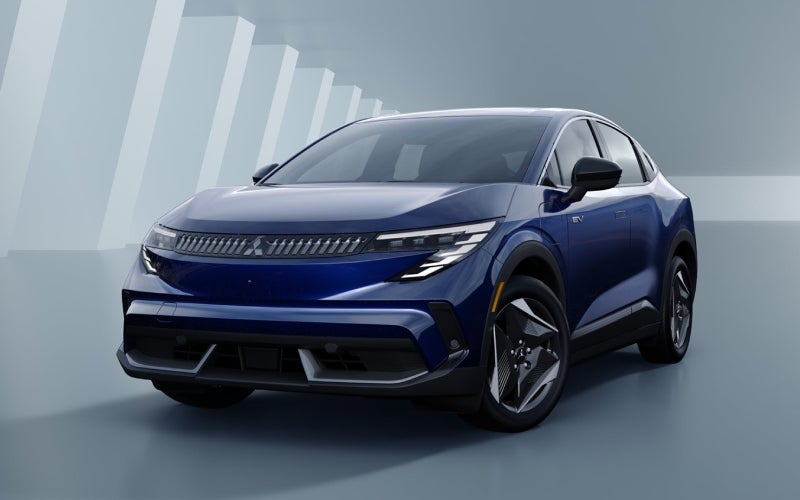
Charging confidence matters when a driver is considering an electric vehicle, and the 2027 Mitsubishi Eclipse Sportback EV is designed to make that part of ownership feel more approachable. For Holland, OH shoppers who travel between home, work, school, shopping areas, and regional destinations, the most important question is not simply whether the vehicle can charge, but whether the charging routine can fit real life. Based on available Mitsubishi information, the Eclipse Sportback EV supports Level 1 and Level 2 charging, along with Level 3 charging through the Tesla® Supercharger network, giving drivers multiple ways to stay powered.
The advantage of this setup is flexibility. Some drivers may charge mostly at home. Others may rely on workplace charging, public Level 2 stations, or DC fast charging during longer trips. The Eclipse Sportback EV has been described with a projected 282-mile range, which means many daily driving needs can be covered without plugging in every time the vehicle is parked. That kind of range can help first-time EV shoppers feel more comfortable making the transition from gasoline to electric driving.
How Home Charging Fits Daily EV Ownership
For many EV owners, home charging becomes the simplest and most convenient part of the routine. Level 1 charging uses a standard household outlet and can be useful for drivers with shorter daily mileage or plenty of time between drives. It is not the fastest option, but it can still add useful range overnight or during long parking periods.
Level 2 charging is the stronger solution for most daily EV use. It uses 240-volt power and can replenish the battery more quickly than a standard outlet. Available information indicates the Eclipse Sportback EV has an onboard charger capable of 7.2 kilowatts, with the ability to charge from 20 to 80 percent in roughly 6.5 hours under appropriate conditions. That makes overnight charging a practical option for many households. Instead of stopping for fuel, a driver can begin each morning with a charged vehicle ready for the day.
What Makes Public Charging Important?
Public charging adds flexibility beyond the home garage or driveway. Level 2 public chargers can be useful during work hours, shopping trips, dining, appointments, or longer stops. For a driver who lives in an apartment or condo without a dedicated charging setup, public Level 2 access can play a larger role in the ownership experience.
Level 3 DC fast charging is the option shoppers tend to ask about for longer travel. Mitsubishi notes that the Eclipse Sportback EV offers access to Level 3 charging through the Tesla® Supercharger network, the largest fast-charging network in North America. Available reporting also describes a NACS port for DC fast charging and charging from 10 to 80 percent in about 35 minutes under ideal circumstances. Fast charging is especially useful for regional drives, road trips, or days when the schedule requires a quicker battery top-off.
Charging Ports and Practical Details
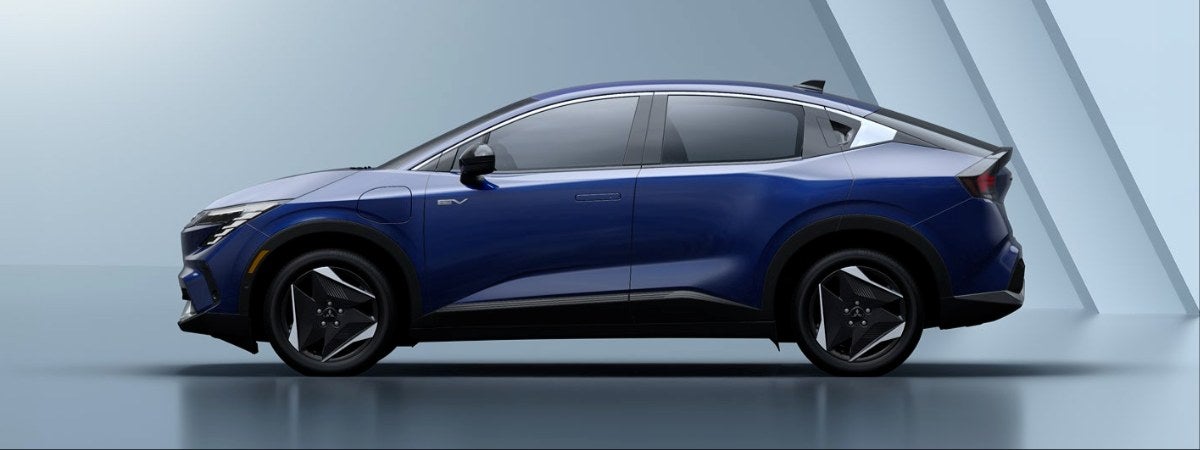
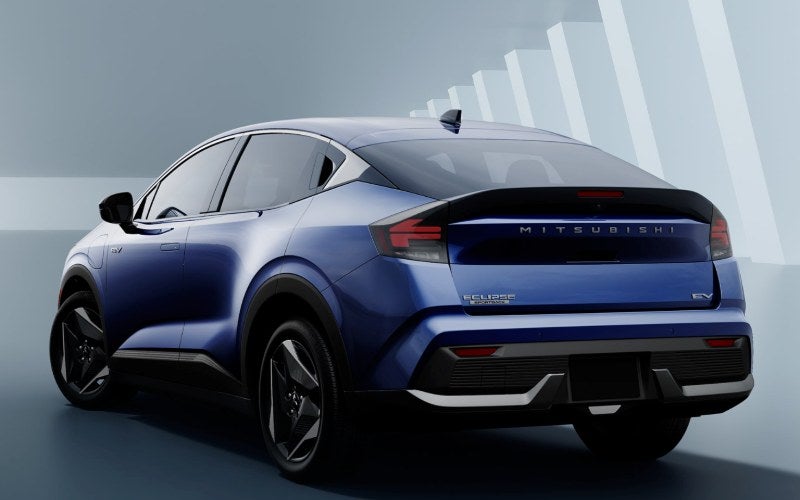
The Eclipse Sportback EV uses a split charge-port strategy, according to available vehicle details. A NACS port is used for DC fast charging, while a J-1772 port supports Level 2 AC charging. This arrangement gives the vehicle compatibility with different charging situations and helps drivers use the charging method that best fits the moment.
A portable charging cord with pigtails for both 240- and 120-volt outlets is also described as standard. That detail matters because it gives owners more flexibility when planning how and where to charge. Drivers should still evaluate home electrical capacity, parking location, and charging goals before deciding on a long-term setup. A professionally installed Level 2 charger can make EV ownership especially convenient for households that drive regularly.
Key Charging Benefits for Holland, OH Drivers
Holland-area drivers often balance local errands with regional trips across Northwest Ohio, so the ideal EV should work well in both situations. The Eclipse Sportback EV is appealing because its charging options are not limited to one narrow use case. Instead, it offers a blend of home convenience and public charging access.
- Projected range: The 282-mile projected range can support commuting, errands, and many regional drives with fewer charging interruptions.
- Home charging: Level 1 and Level 2 capability allows drivers to choose a charging setup based on daily mileage and parking access.
- Fast charging: Level 3 access through the Tesla® Supercharger network helps support longer travel and quicker stops.
- Charging flexibility: NACS and J-1772 charging support helps the vehicle fit a wide range of public and home charging situations.
- Smart trip planning: Navigation-based battery preconditioning can help prepare the battery for quicker DC fast charging when a charger is entered as a destination.
These benefits make the Eclipse Sportback EV a practical choice for shoppers who want electric driving without building every day around charging. A well-planned routine can be as simple as plugging in at home a few nights per week, using public charging when convenient, and reserving DC fast charging for longer drives.
How to Think About Your Charging Routine
The easiest way to decide whether an EV fits your life is to map charging around actual driving. A shopper who drives 30 to 50 miles per day may have very different charging needs than someone who regularly travels across counties for work. The projected range of the Eclipse Sportback EV gives many drivers a comfortable buffer, but it is still smart to build a routine that matches personal habits.
- Calculate daily mileage: Add up normal commuting, errands, school routes, and evening activities.
- Review parking access: Determine whether home charging is possible in a garage, driveway, or assigned parking area.
- Consider Level 2 installation: For frequent driving, a 240-volt charging setup can make ownership easier.
- Locate public chargers: Identify Level 2 and DC fast charging options near work, shopping centers, and common travel routes.
- Plan longer trips: Use navigation tools and fast-charging access to organize stops before heading out.
This planning process can quickly show whether an EV is a convenient fit. Many shoppers discover that charging requires less effort than expected once a home or workplace routine is established.
Frequently Asked Questions:
Can the 2027 Mitsubishi Eclipse Sportback EV charge at home?
Yes. Mitsubishi states that the Eclipse Sportback EV supports Level 1 and Level 2 charging. Level 1 uses a standard household outlet, while Level 2 uses 240-volt power and is generally preferred for faster home charging.
How long does Level 2 charging take?
Available information indicates the onboard charger is capable of 7.2 kilowatts and can charge the battery from 20 to 80 percent in roughly 6.5 hours under suitable conditions. Actual charging time can vary based on charger output, battery temperature, and state of charge.
Does the Eclipse Sportback EV work with Tesla® Supercharger locations?
Mitsubishi notes that the Eclipse Sportback EV has access to Level 3 charging through the Tesla® Supercharger network. That access can make fast charging more convenient on longer drives or during busy schedules.
Is fast charging needed every day?
No. Most EV drivers rely on home or Level 2 charging for routine use and reserve DC fast charging for longer trips or quick top-offs. The best charging strategy depends on daily mileage, home charging access, and travel patterns.
The 2027 Mitsubishi Eclipse Sportback EV is built to make charging feel practical, not intimidating. With Level 1, Level 2, and Level 3 capability, projected 282-mile range, and access to the Tesla® Supercharger network, it gives Holland, OH shoppers several ways to make electric driving work. For drivers ready to explore EV ownership, the smartest next step is to review daily mileage, charging access, and preferred features, then compare that information with how the Eclipse Sportback EV is designed to operate.